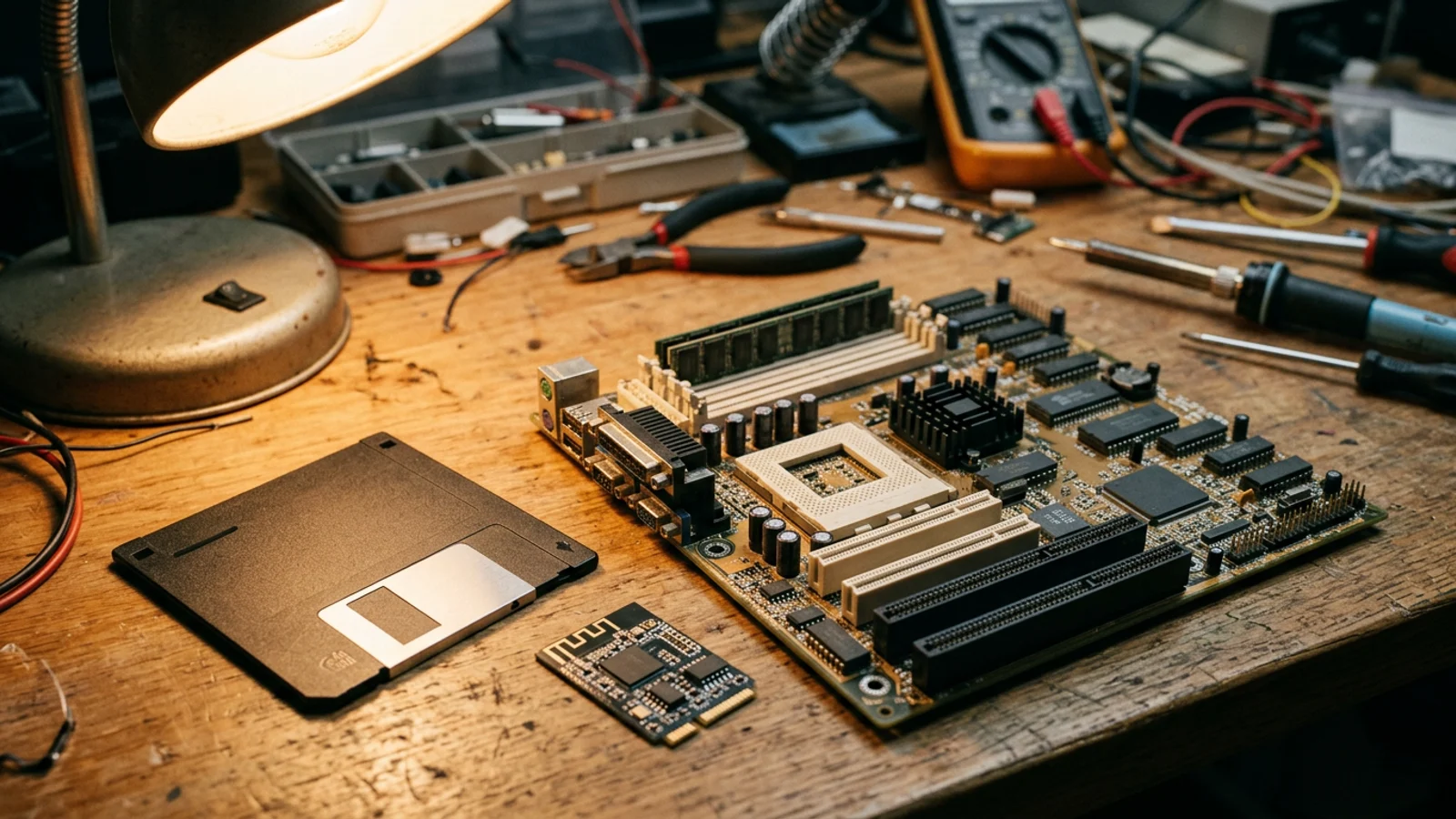
Edge AI3 min read
A 367K-Parameter LLM Fits on a Floppy as Nordic Puts an NPU in Wi-Fi Chips
A DOS-era language model on a 486, an Arduino SBC pitched for agent memory, a Versal VLM paper, and Nordic's nRF71 NPU plus u-blox modules.
20 views
Read Tag
24 posts
A DOS-era language model on a 486, an Arduino SBC pitched for agent memory, a Versal VLM paper, and Nordic's nRF71 NPU plus u-blox modules.
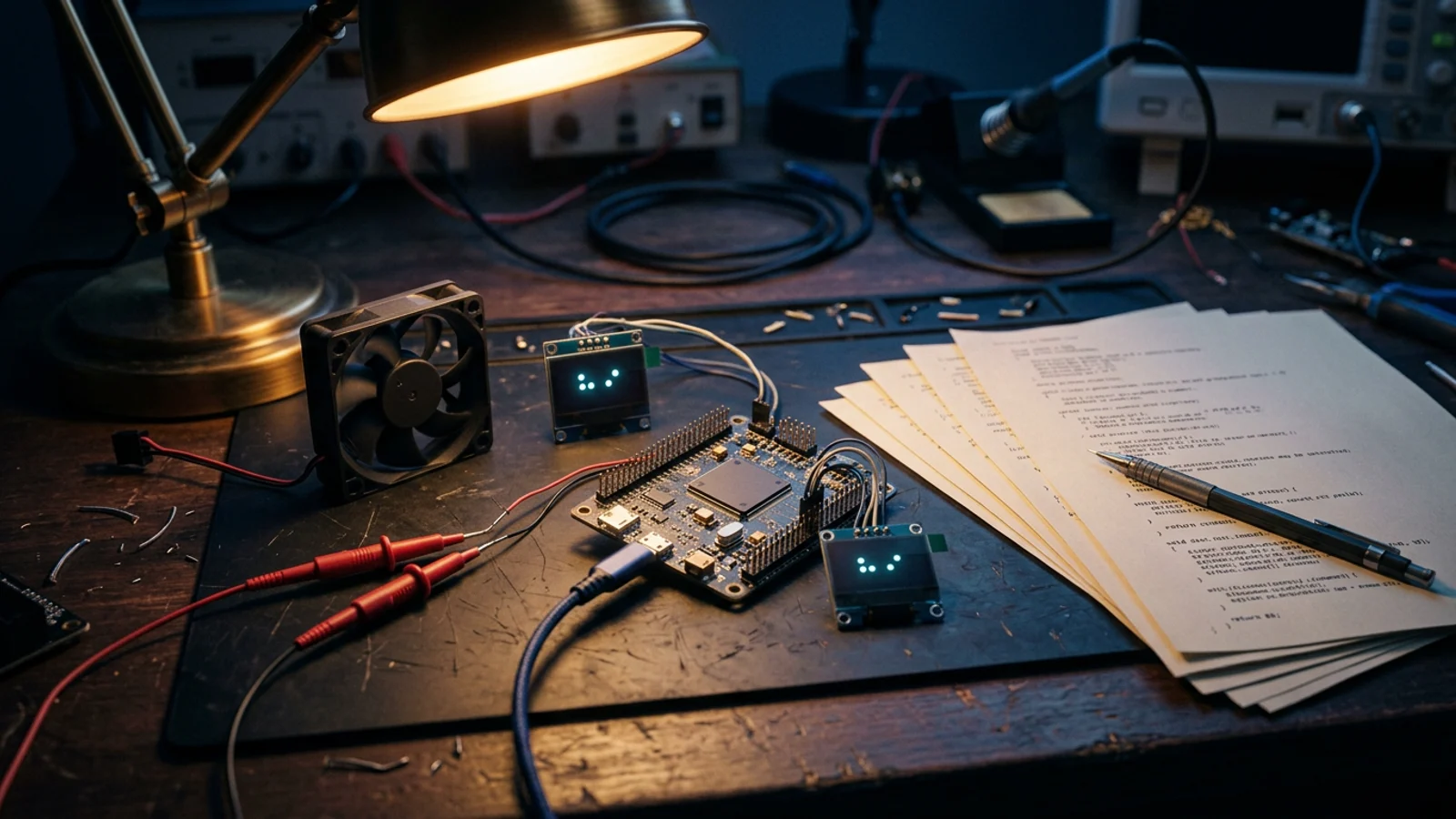
A new MLIR compiler emits dependency-free C for a tiny LLM on a Cortex-M7, and a Cortex-M33 board runs an AI fan-fault detector on its own microphones.
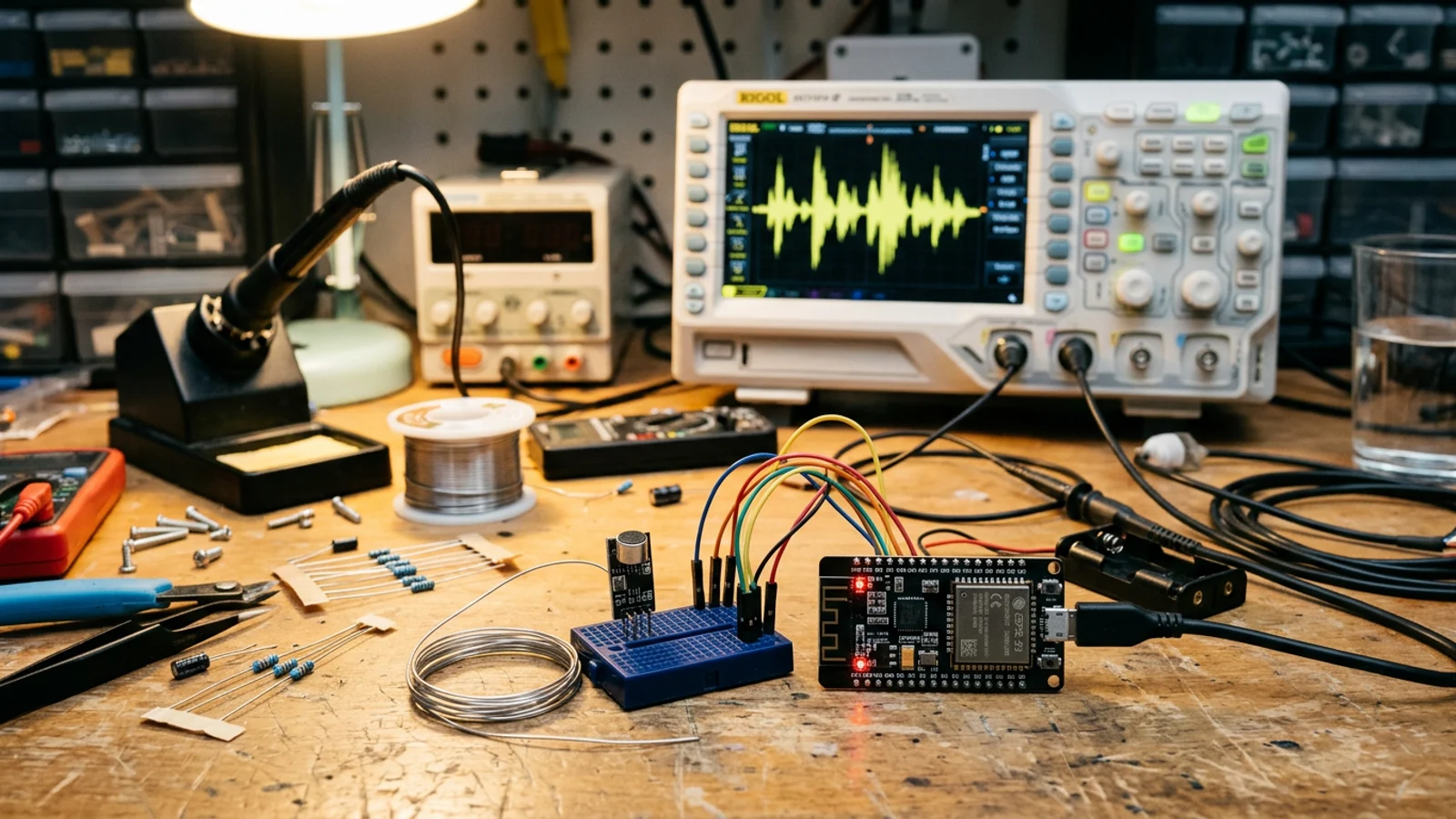
An open-vocabulary speech model gets near real-time on an ESP32-S3, a new benchmark shows why MAC counts lie, and ST overhauls its STM32 AI toolchain.
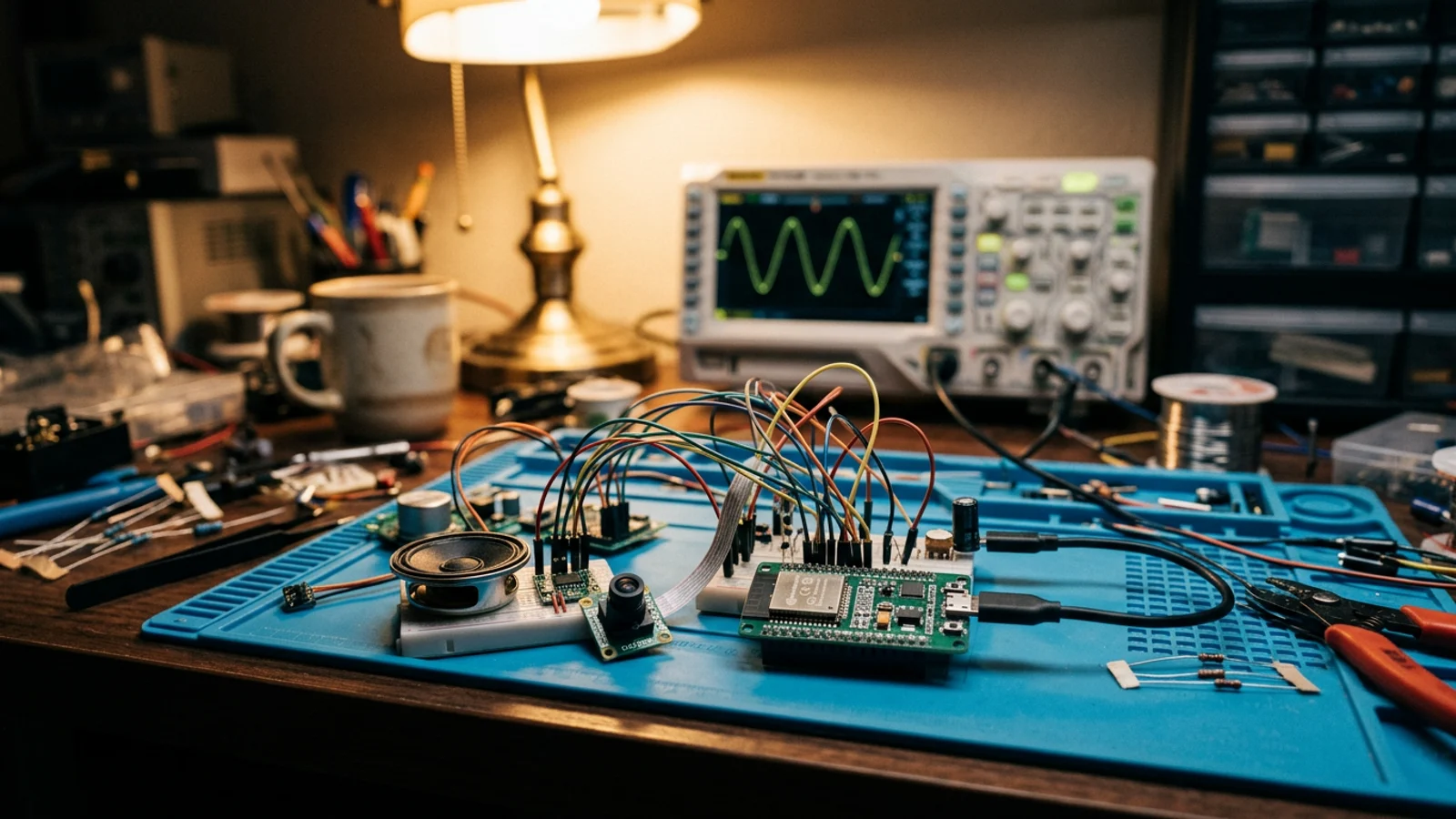
A 3.8MB voice model, an early ChatML LLM, and a $21 board all land on the ESP32 this week.
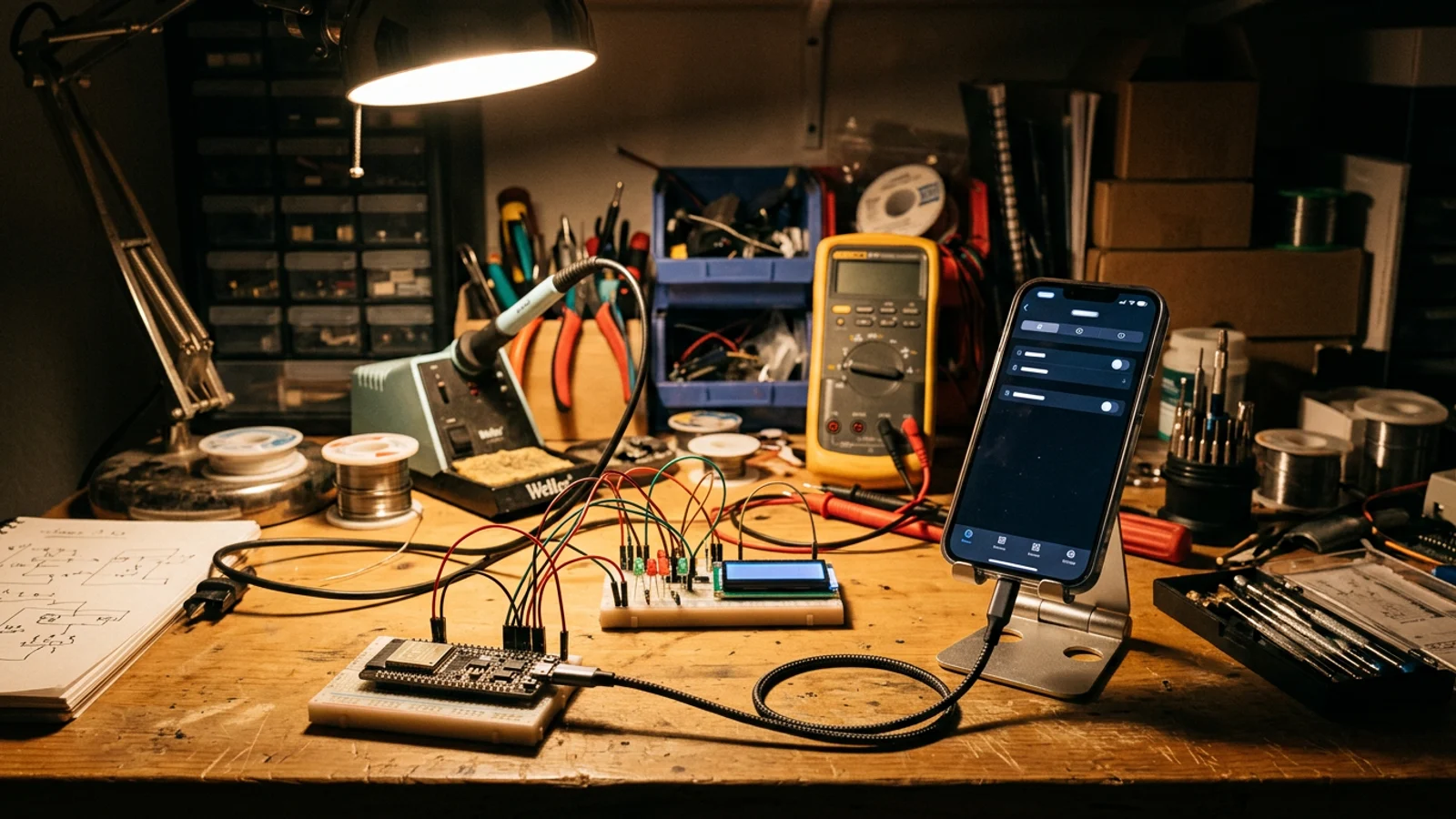
A cheap ESP32 becomes an AI agent's eyes and hands on a real iPhone, while a tiny distilled LLM runs an $8 virtual fish tank offline.

An open-vocabulary speech engine, a full offline voice assistant, and a new ESP32-P4 compute module show how much now runs on one microcontroller.
A $1 chip pushes an LLM toward 4B parameters, Google opens its Coral NPU compiler, and an ESP32 learns to hear offline in seven languages.
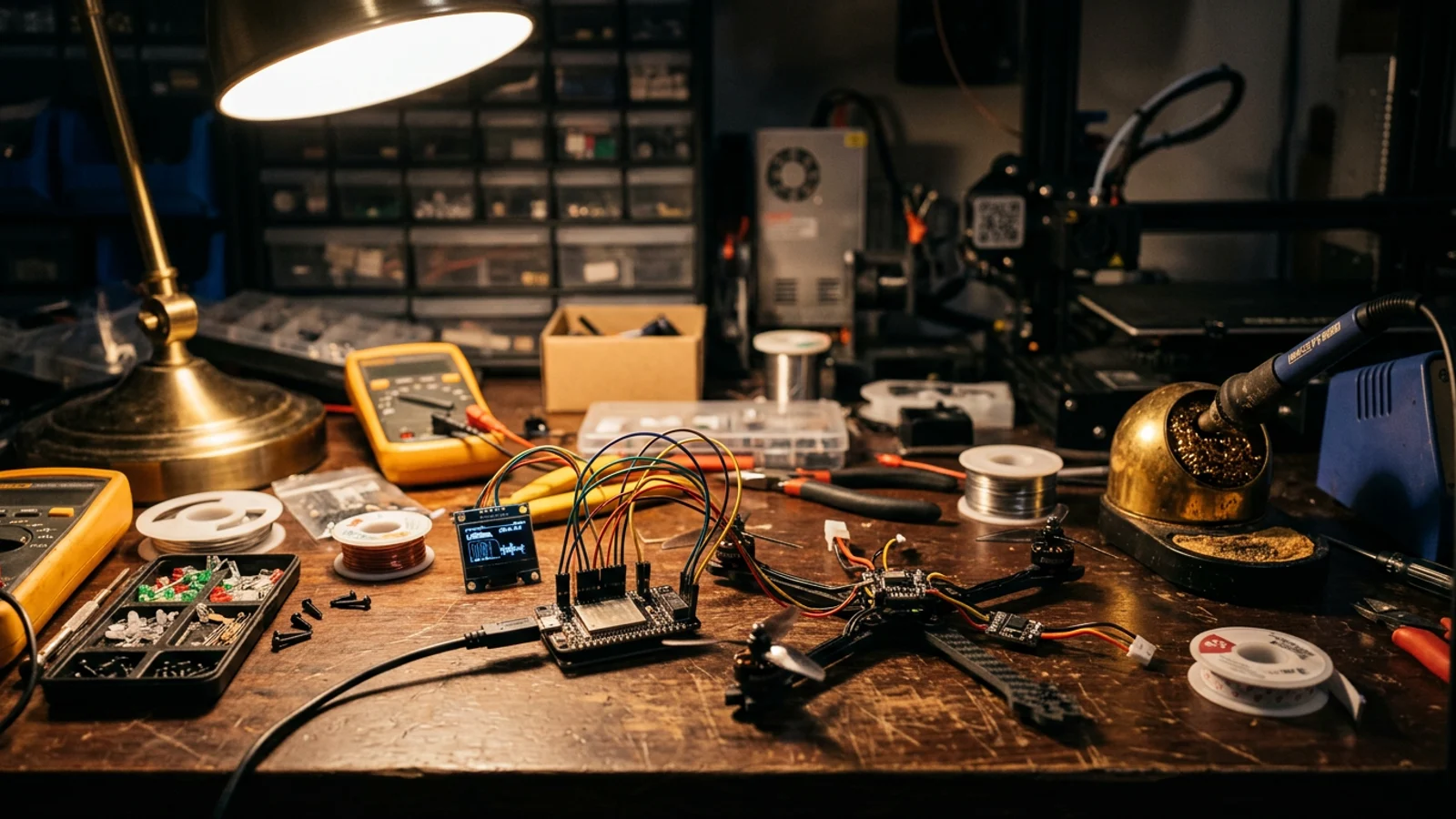
A 28.9M LLM, two phone/voice agents, a new AI-ready dev board and a drone video hack all land on the same $7 chip family.
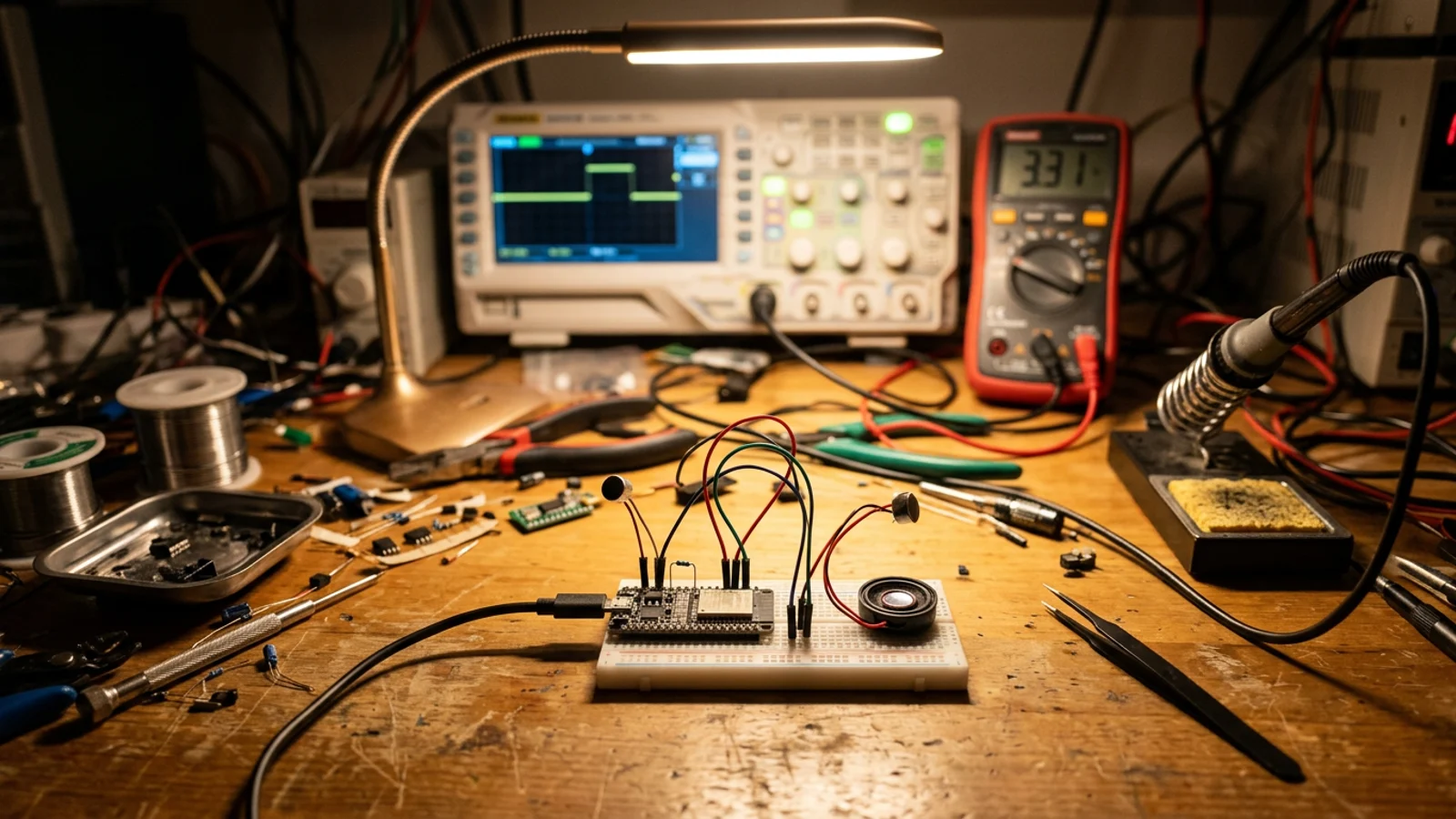
A microcontroller runs open-vocabulary speech recognition with no neural accelerator, while NPU boards and an $8 chip push tiny-LLM throughput further.
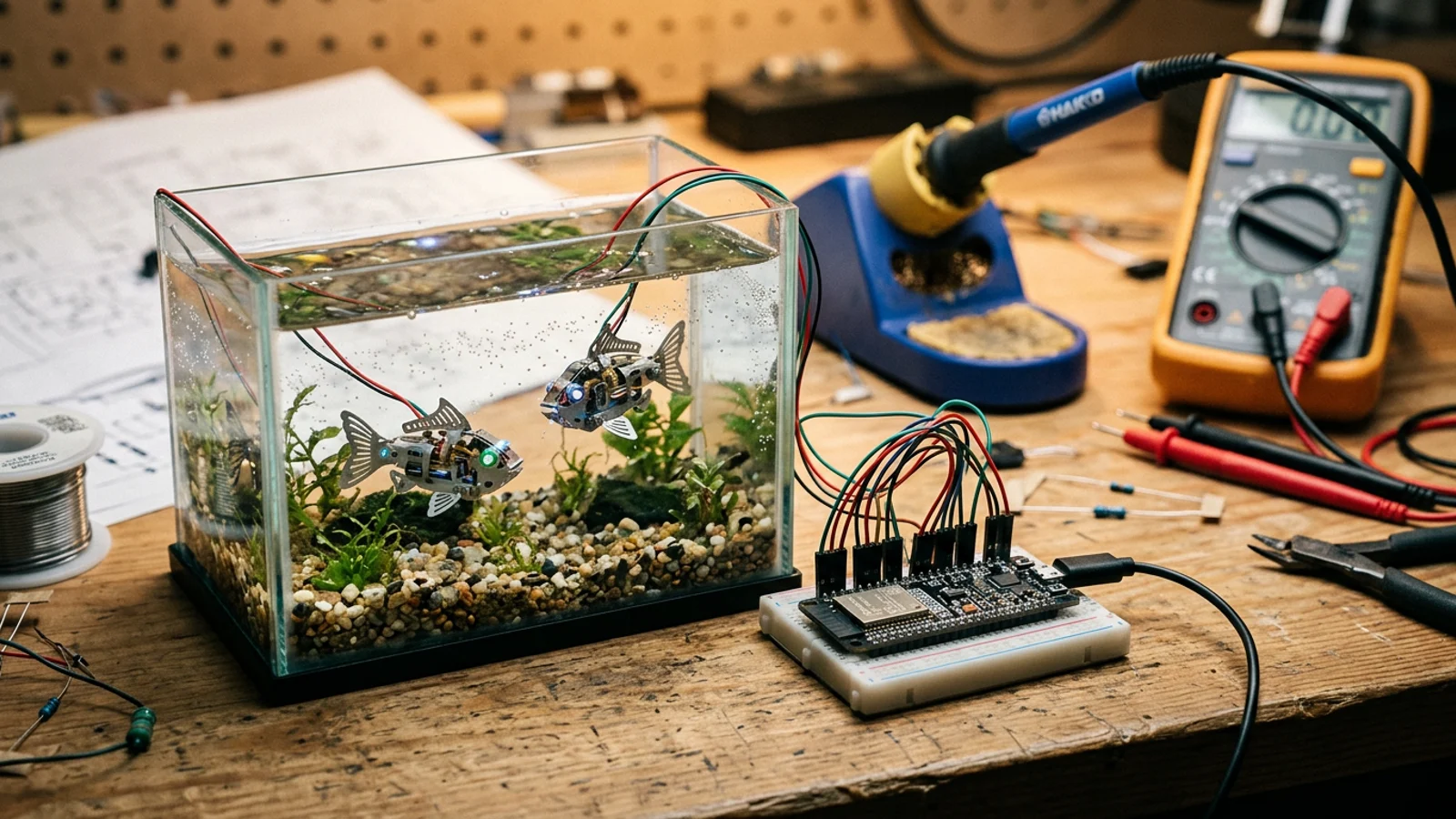
A distilled LLM runs a fish tank on an $8 ESP32-S3, four Raspberry Pi 5s share a 30B model, and a 2B decision model lands for edge agents.
A tiny GPIO-control model and a Japanese TTS join the ESP32 pile-up while Raspberry Pi raises prices and a Jetson robot chases bubbles.
A full day inside the ESP32 world: chatty microcontroller LLMs, a $5-chip speech model, and two new boards from Espressif's own community.
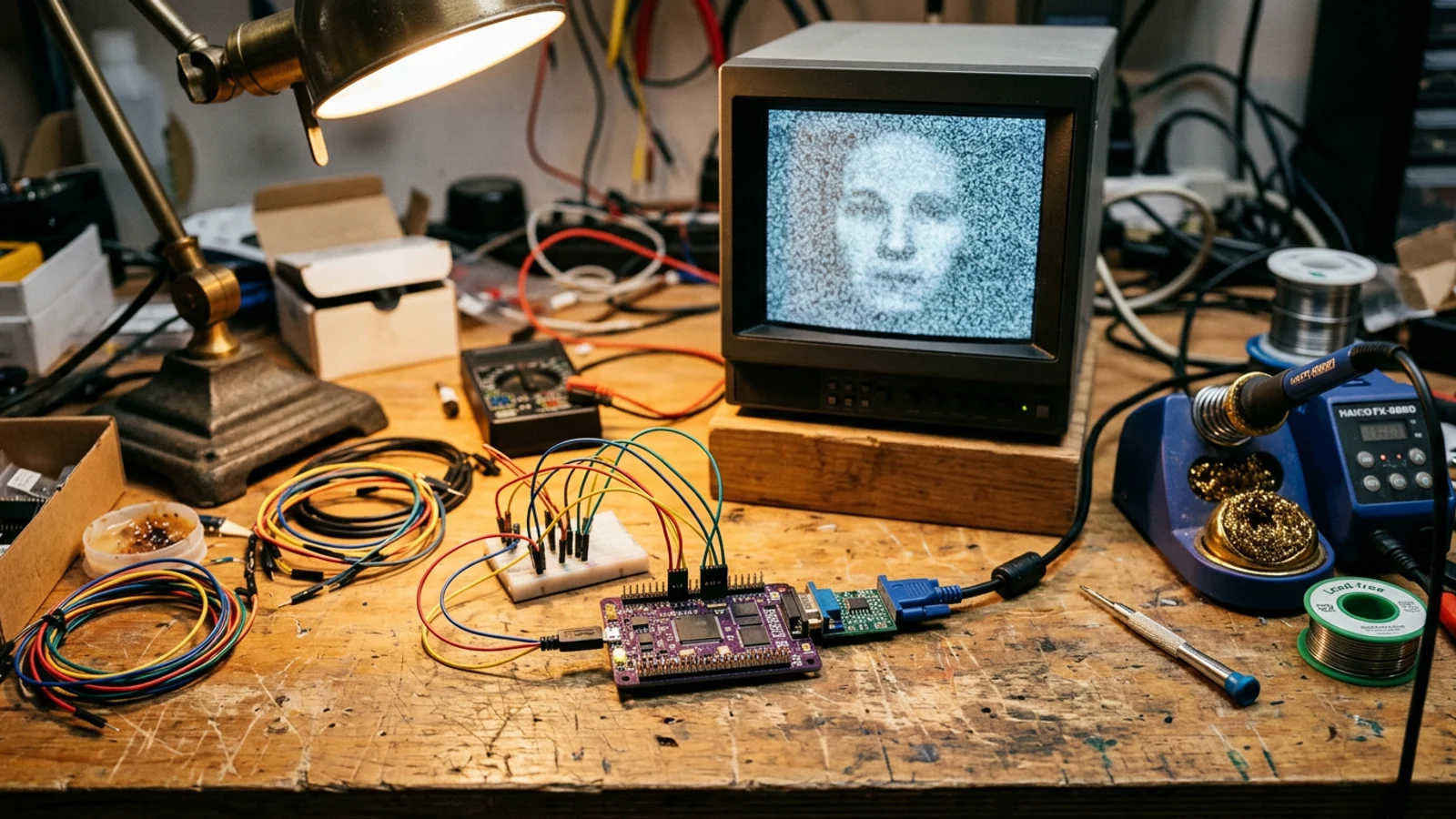
An RP2350 draws faces from noise, an ESP32-S3 writes stories, and AI smart glasses squeeze in a 1-bit model — all without a server.
Three ESP32 builds this week show the chip's range — a reactive desk companion, motion-sensing drumsticks, and a scripting OS — none of them running a language model.
NVIDIA posts a 6.4x MLPerf edge win on Jetson AGX Thor, a dense TinyStories model skips the flash trick, and a paper splits VLA robots between cloud and a tiny local model.
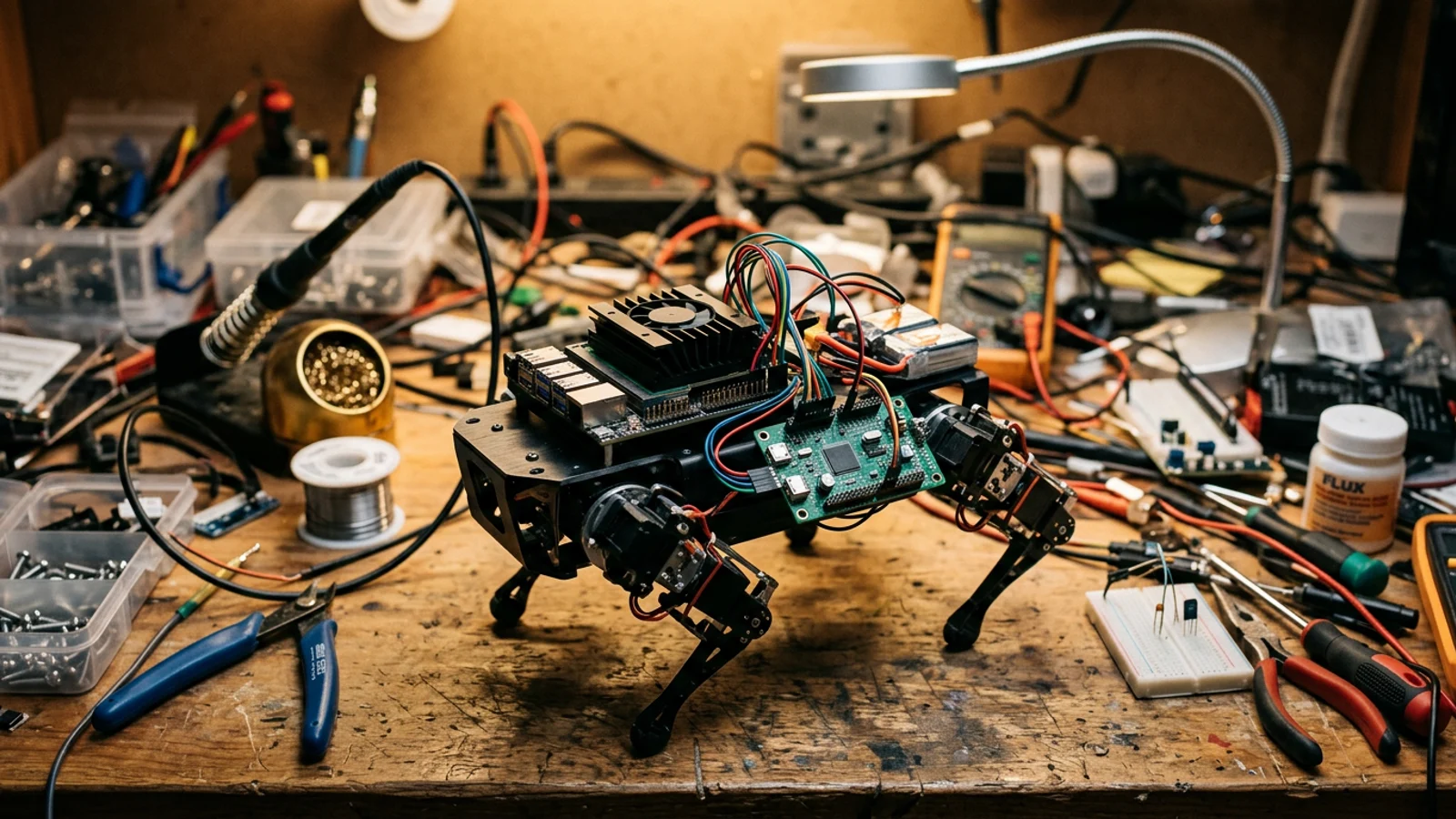
A student-built quadruped, a walking-robot policy on a Rockchip SBC, a tiny STM32N6 vision camera, and a $49 TinyML kit all landed this week.

An RP2350 chip runs a diffusion model, an ESP32-S3 speaks Japanese, and researchers tackle mobile power and tiny-drone control at the edge.
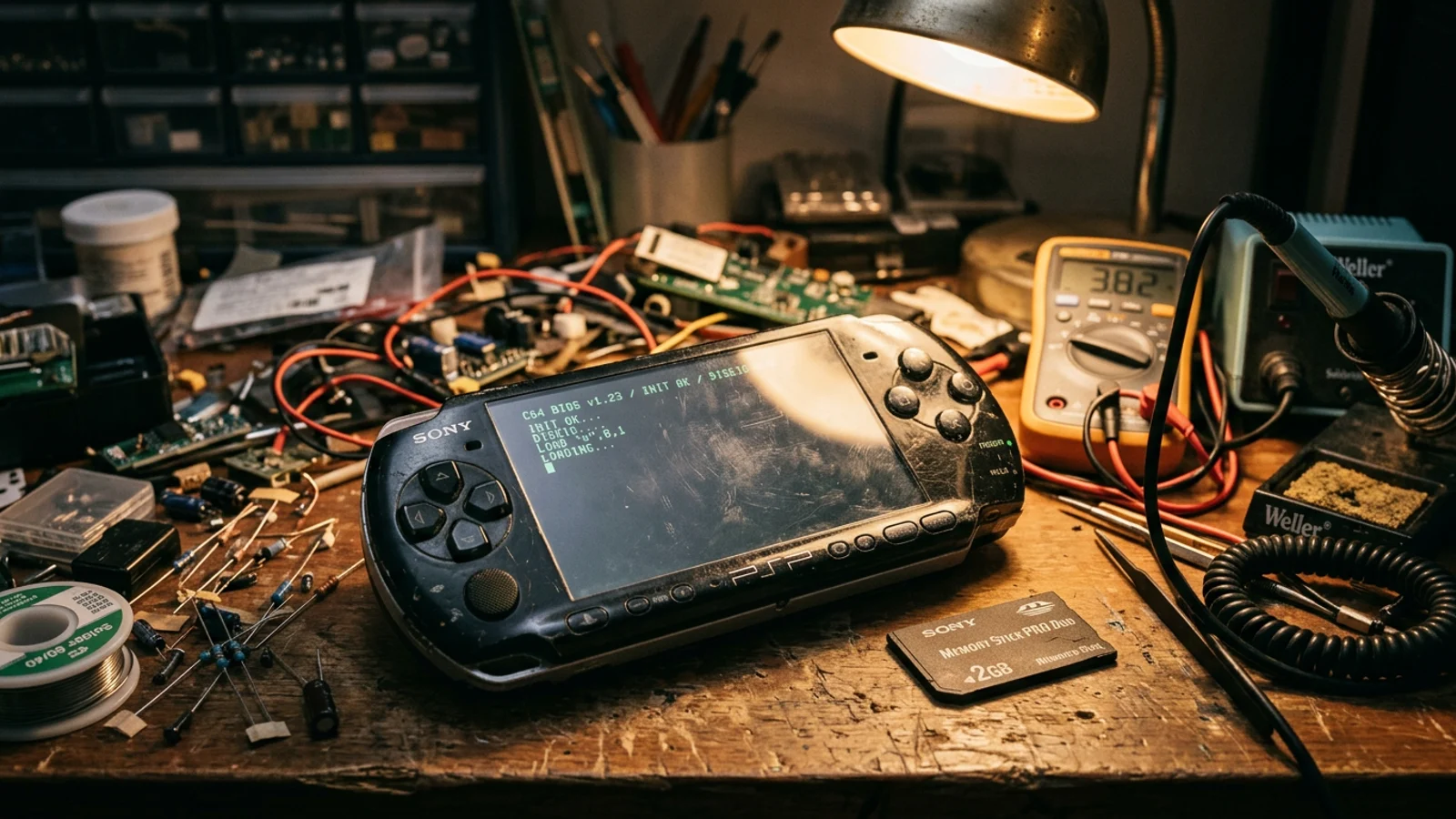
A modded Sony PSP runs a tiny LLM, a $3 chip learns to speak, and a 2B open model claims agentic skills for phones.
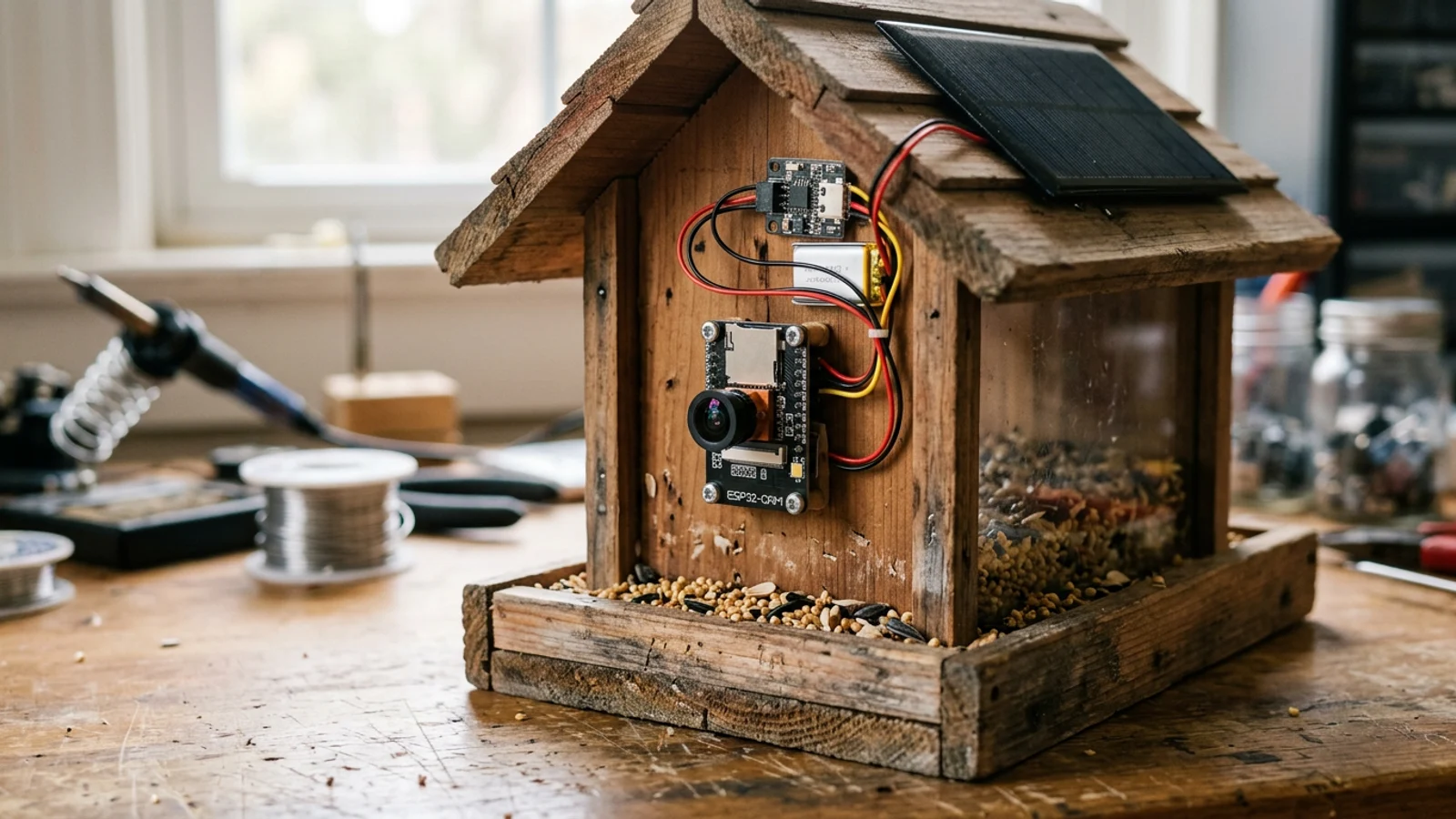
Fresh arXiv work tackles MCU vision drift and phone LLM memory pressure, while a solar bird feeder and a desktop WALL-E show the hobbyist edge staying busy.

DeepSeek V4 Flash gains on-device vision on a Mac, a $1 chip draws pictures, and Qualcomm ships new edge silicon ahead of IFA.
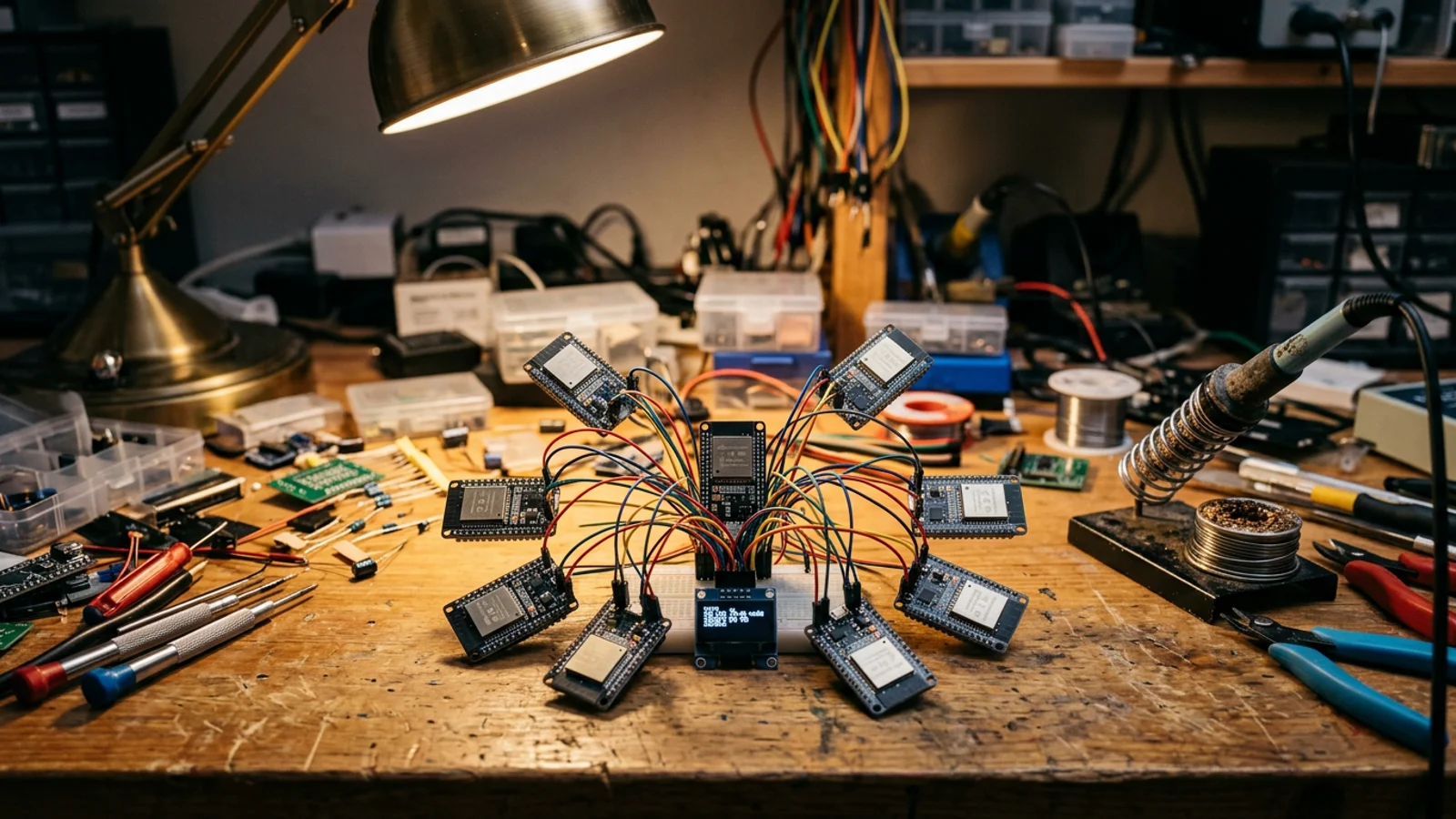
IBM's Granite 4.2 targets edge devices with a 3B open model, while a new RISC-V AI pocket computer ships locked to its own OS fork.
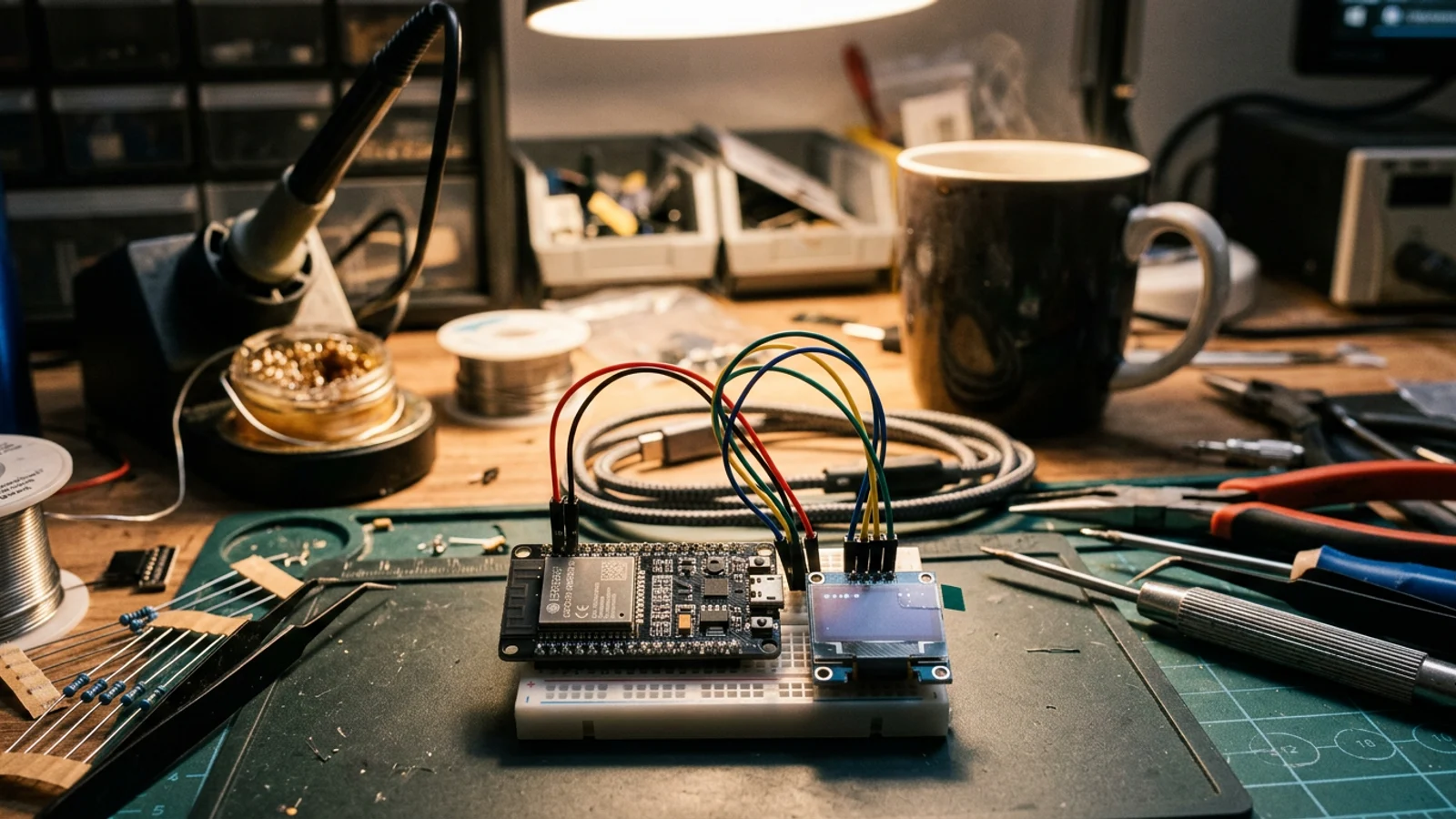
A new 'Barista' model and a closer look at Google's Per-Layer Embeddings trick show what running an LLM on a microcontroller can and can't do.
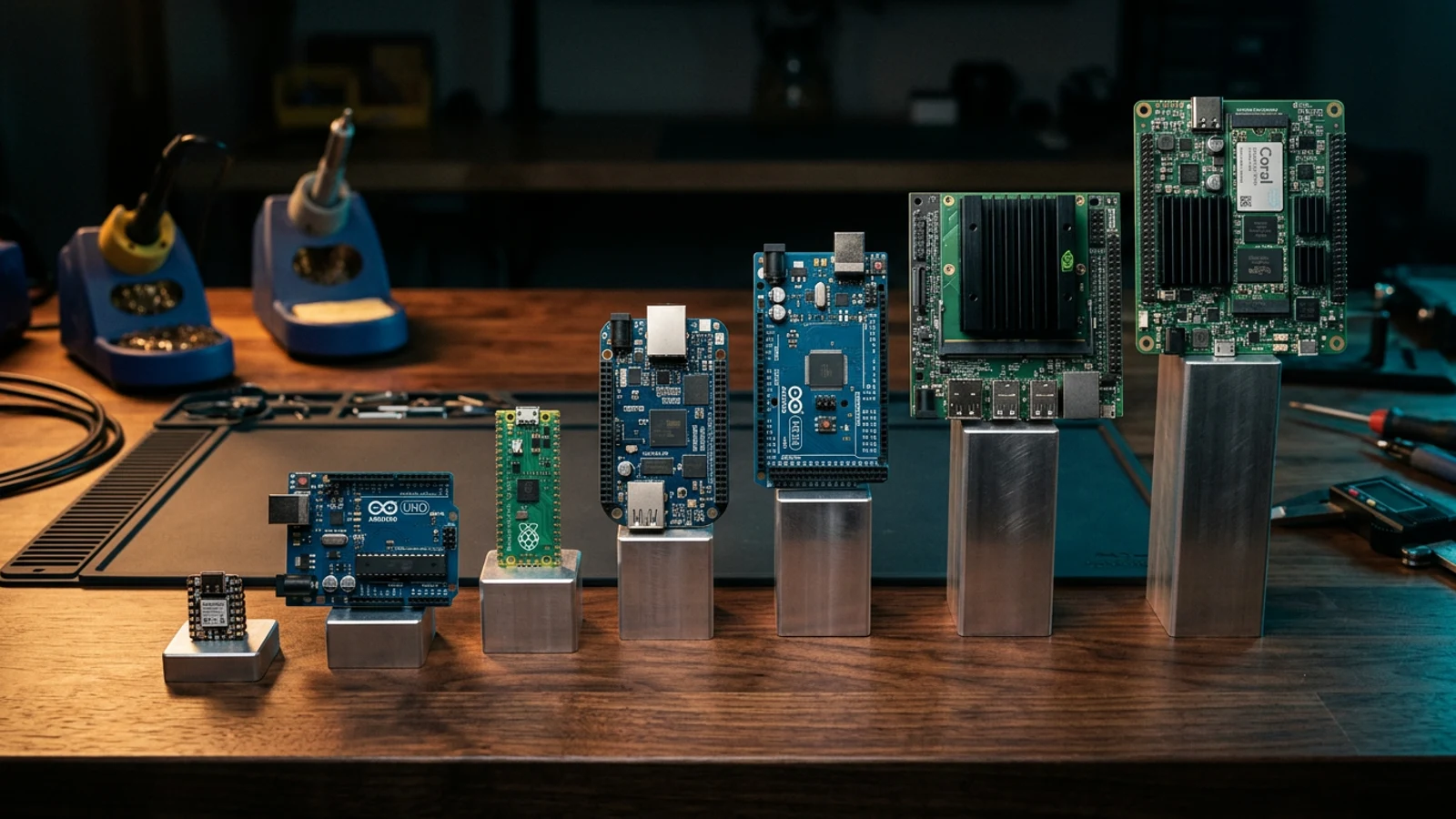
A $5 Pico 2 writes TinyStories. A $15 Pi Zero 2 W runs SmolLM2-135M. A $299 RISC-V board claims 30B. What AI really fits at every rung of the edge hardware ladder.

In July 2026 a 28.9-million-parameter LLM ran fully on-device on an $8 ESP32-S3 at almost 10 tokens per second. Here's how the trick works, who built it, what's hype, and what you can actually build with a microcontroller LLM today.