Colonial Pipeline: How a Single Stolen Password Shut Down America's Fuel Supply
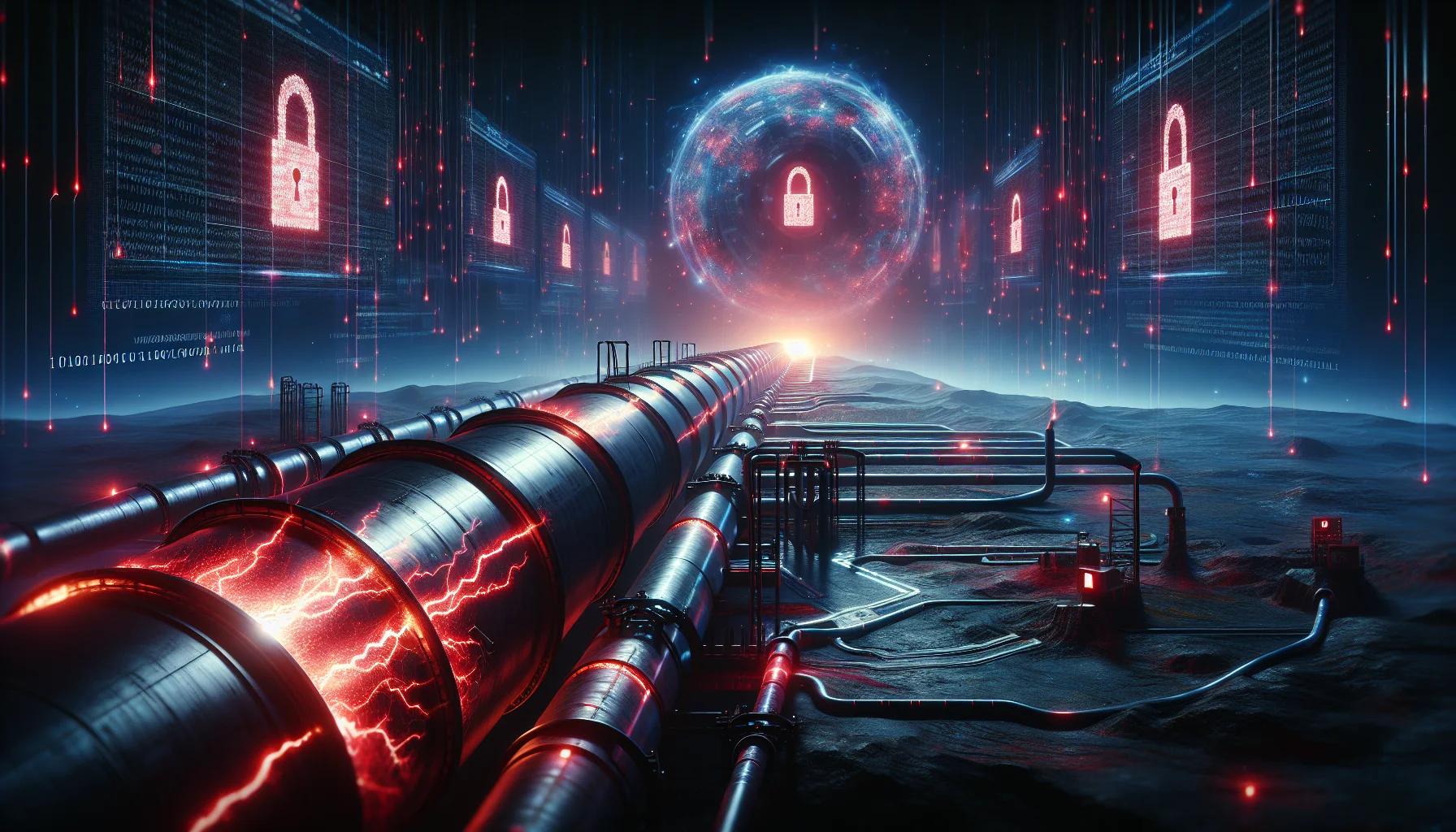
In May 2021, a single compromised VPN password led to the largest fuel pipeline shutdown in U.S. history. DarkSide ransomware demanded $4.4 million. KAVI Protocol would have made this attack structurally impossible.
The Breach
On May 7, 2021, DarkSide ransomware operators infiltrated Colonial Pipeline — the largest refined products pipeline in the United States, carrying 2.5 million barrels per day across 5,500 miles from Texas to New Jersey. The company was forced to shut down all pipeline operations for six days.
The entry point? A single compromised VPN password.
Investigators later confirmed that the attackers gained access through a legacy VPN account that used only password authentication — no multi-factor authentication was enabled. The password had likely been obtained from a previous data breach and was being reused.
The Impact
- $4.4 million ransom paid (in Bitcoin)
- 6 days of pipeline shutdown
- 17 states declared fuel emergencies
- Panic buying caused gas station shortages across the Southeast
- Jet fuel supply disrupted at major airports
- National security implications triggered White House intervention
Why Traditional Authentication Failed
The failure was predictable and systemic:
- Password reuse: The VPN account used credentials that appeared in a previous breach dump
- No MFA: The legacy VPN account had no second factor enabled
- Credential persistence: The password existed as a static, stealable artifact
- No behavioral verification: Anyone with the password was trusted as the legitimate user
This is the fundamental flaw of password-based authentication: knowledge can be transferred. If you know the password, you are the user — regardless of whether you're a DarkSide operator in Eastern Europe or the actual account holder.
How KAVI Protocol Prevents This
Surprise Signature: Identity Through Unpredictability
Under KAVI, there is no password to steal. Instead, the system identifies users through their Surprise Signature — the pattern of prediction errors generated when an AI model attempts to forecast their behavior.
Even if an attacker obtained VPN access somehow, their behavioral pattern (keystroke dynamics, interaction rhythm, micro-timing) would generate a completely different Surprise Signature. The system would immediately recognize that the person at the keyboard is not the legitimate user.
Ghost Key Architecture: Nothing to Steal
KAVI's Ghost Key Architecture means there is no stored credential — no password, no private key, no token. Keys are generated ephemerally from the user's behavior, used once, and destroyed. Between sessions, the attack surface is literally zero.
DarkSide couldn't have found this credential in a breach dump because it never existed as a persistent artifact anywhere.
Trinity Binding: Temporal Immunity
Trinity Binding fuses the user's identity, the data context, and the current time into a single cryptographic key. Even if an attacker could somehow replicate a user's behavioral pattern, the temporal binding ensures that old sessions cannot be replayed. Every authentication is unique to that exact moment.
The Structural Difference
| Attack Vector | Password Auth | KAVI Protocol |
|---|---|---|
| Credential theft from breach | Directly exploitable | Nothing to steal |
| Password reuse | Cross-site access | No passwords exist |
| Missing MFA | Single point of failure | Continuous behavioral auth |
| VPN credential compromise | Full network access | Behavioral mismatch detected |
| Replay attack | Possible with stolen session | Structurally impossible (Trinity Binding) |
Conclusion
The Colonial Pipeline attack wasn't sophisticated. It didn't exploit a zero-day vulnerability. It didn't require nation-state resources. It required one stolen password and the absence of basic MFA.
KAVI Protocol eliminates this entire class of attack — not by adding another factor on top of passwords, but by removing the concept of stored credentials entirely. You cannot steal what does not exist.
References & Citations
- Bloomberg (2021). "Colonial Pipeline Paid Hackers Nearly $5 Million in Ransom." Bloomberg
- CISA Advisory AA21-131A. "DarkSide Ransomware: Best Practices for Preventing Business Disruption." CISA
- Turton, W. & Mehrotra, K. (2021). "Hackers Breached Colonial Pipeline Using Compromised Password." Bloomberg Technology.
Related Posts

How Passkeys Work: The Technical Architecture Behind Passwordless Authentication
Passkeys are replacing passwords across the web. Under the hood, they use public-key cryptography, platform authenticators, and the WebAuthn spec. Here's how it all fits together.

3 Billion Accounts: The Yahoo Breach That Proved Passwords Cannot Scale
The largest data breach in history exposed every single Yahoo account — 3 billion credentials. Bcrypt couldn't save them. KAVI's zero-storage model means there's nothing to breach.

LastPass: When the Password Manager Itself Gets Breached
In 2022, LastPass — trusted by 33 million users to protect their passwords — was breached. Encrypted vaults were stolen. The guardian of secrets became the single point of failure.